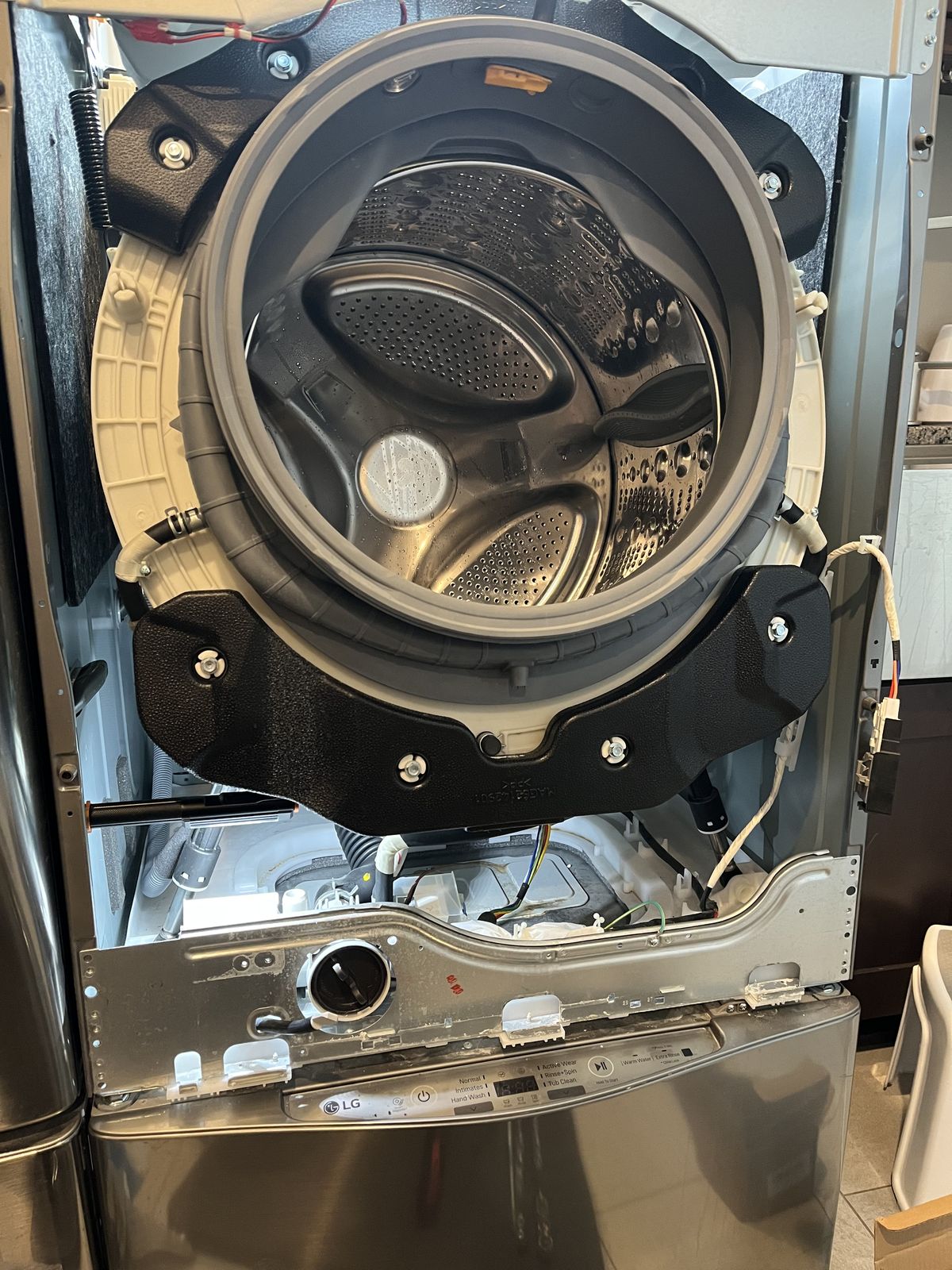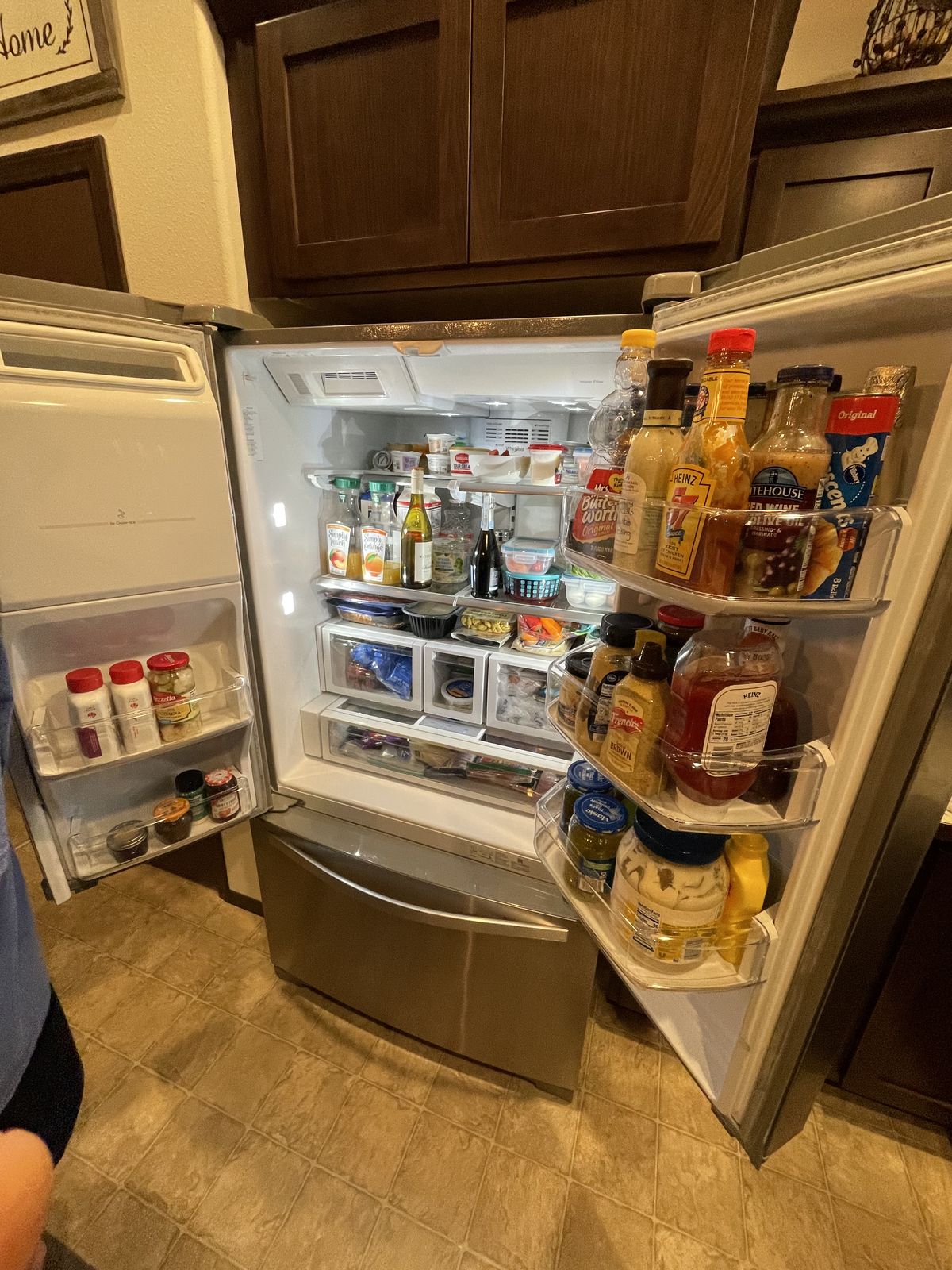
Someone didn't quite close it — a pizza box, a kid, a bag strap — and you've just discovered a freezer that spent the night inhaling warm air. Before anything else: this is usually recoverable. But the next hour of decisions matters, both for the food and for the machine.
Food triage, honestly
The rule is temperature, not fear: anything still holding ice crystals or reading 40°F or below can be safely refrozen (texture may suffer; safety doesn't). Meat that's fully thawed but still refrigerator-cold can be cooked now and refrozen cooked. Anything warm, soft and ambiguous — especially meat, fish and dairy-based items — is not worth the gamble. Ice cream is always the first casualty and the most honest witness: if it's soup, take the rest of the audit seriously.
Machine triage: the invisible frost slab
Here's what owners don't see: all that humid air that poured in overnight froze onto the evaporator coil behind the back panel — often into a dense slab far beyond what one automatic defrost cycle can clear. The symptom appears a day or two later: the freezer runs constantly but can't hit temperature, because the iced coil can't breathe. Sometimes patience and a few defrost cycles win. Often the right move is a full manual thaw: unit off and open for 24 hours, towels down, then a clean restart. If temperatures still lag after a true full thaw, the marathon may have claimed a part.
What can genuinely fail afterward
A night of nonstop running is a stress test. The usual casualties, in order: the defrost system (a marginal heater or thermostat gets exposed by the workload — frost keeps returning), the evaporator fan (ran all night against ice; bearings complain or blades were bent by the slab), the start relay on units that cycled hard, and door gaskets that were the reason the door didn't latch in the first place — check whether the seal grips a dollar bill firmly all the way around, and whether the door actually swings shut on its own (a fridge should lean slightly back; leveling drifts).
The prevention that costs nothing
A $10 freezer alarm (or the built-in door alarm many models hide in settings, off by default) turns this whole article into a beep at 11 PM instead of a morning discovery. And if your freezer needed this rescue twice, the door isn't closing itself for a reason — hinge, gasket or tilt — and that's a small fixed-quote visit that pays for itself in one saved grocery load.